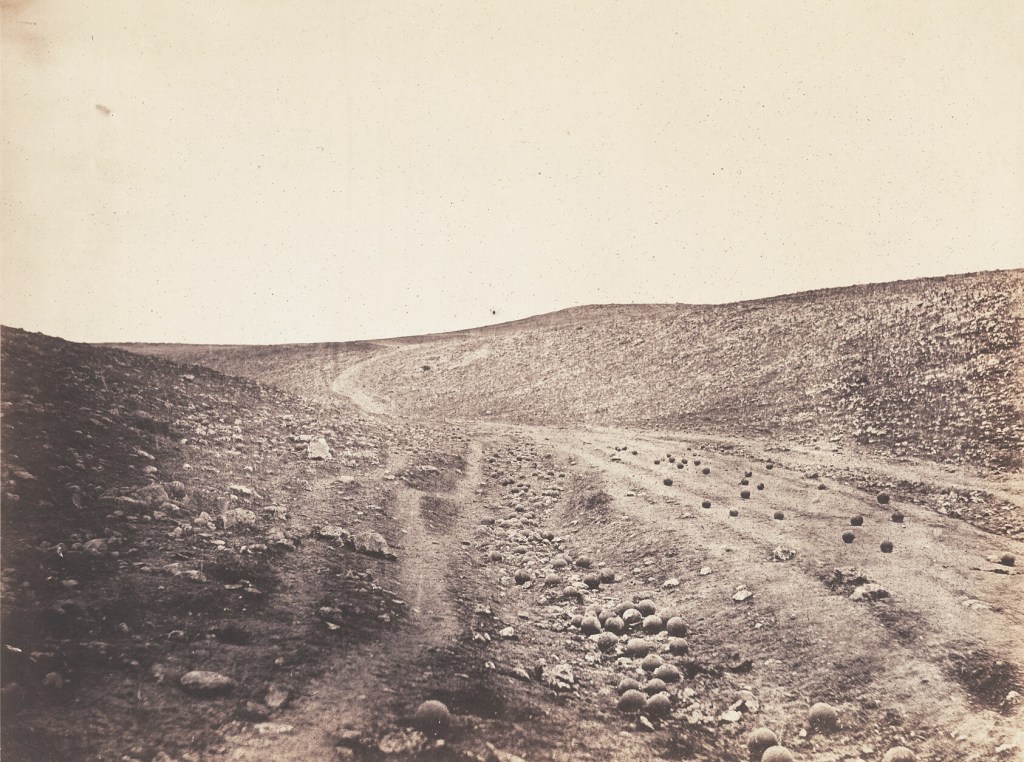
The idea of apocalypse may be thought not simply as an end, but as the mourning of time; specifically, the unraveling of linear, eschatological, and teleological time, and with it, the subject constituted within such temporal schemas.
The apocalyptic moment, as rupture, suspends historical continuity and opens a space where ethical recollection becomes possible. Perhaps this idea resonates with Ricoeur’s ethical hermeneutics, where memory is never pure representation but always entangled with responsibility. It is not something neutral, and remembering (correctly, and especially collective memory) is an ethical act and duty. As Ricoeur writes in Memory, History, Forgetting, memory requires perpetual reinterpretation, and history is not a record of facts; it is a narrative construction that interprets the past. Forgetting can be active (repression) or passive (natural loss); and sometimes, it is necessary for forgiveness and healing. There is a fragile and risky passage from individual memory to collective, institutionalized history, as both can distort or preserve truth.
“Forgetting” invites a reflection on “forgiveness.” This can be viewed as a Hegelian resolution; forgiveness as a resolution for the melancholic incapable of action/moving forward. A gift that unbinds the subject from its acts without simply erasing the past.
But the Apocalypse is not only temporal; it inscribes itself on and through bodies. “Converted forms,” to borrow the Marxist term, become visible in the plasticized corpses of oceanic life, in the unnatural sediments of capital and consumption. These are the uncanny material traces that disturb perception and representation. Where to put them in memory, language, art? Are they marks that resist internalization or redemption?
The concept of “subjective destitution” comes to mind: the subject is stripped of the very urge to symbolize (not just of symbolic coherence), and forced to confront the radical contingency and meaninglessness of trauma.
Structural causality (a logic without linear cause-effect) becomes legible in the recursive circuits of ecological collapse and psychic disintegration. The apocalyptic window is a fracture that exposes the trace of flesh and earth. It haunts in its visibility.
Understood this way, apocalypse is not the spectacle of an ending but the labor of mourning. A sustained dwelling with temporal rupture, material loss, and the ethical demand to remember what can no longer be redeemed or fully symbolized.

 liquid ground